
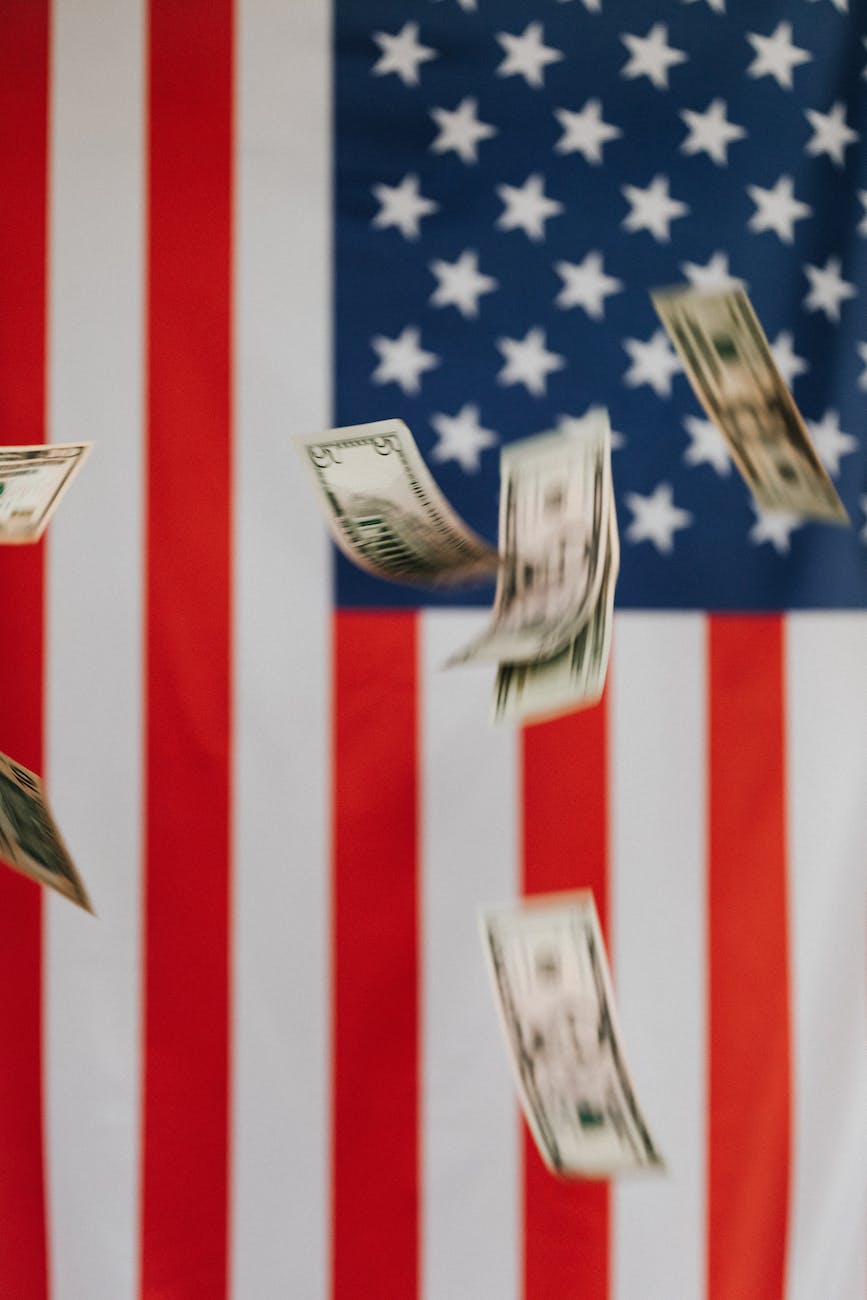
The Federal Reserve raised interest rates (again) in order to slow or bring down inflation. The news story that shortly followed this action featured people who expressed frustration at not being able to afford a new home.
Okay. So, the whole point of raising interest rates is to stop people from buying things. The Federal Reserve wants to make homes, new cars, credit cards loans, etc. unaffordable in order to motivate corporate CEOs to lower their prices. Jerome Powell has no choice except to raise interest rates because consumers continue to drive up prices with their spending. Apparently, no one wants to tell the ordinary citizen that they as a group control how much business owners and corporate CEOs decide to charge. In a free market economy, ordinary citizens are buyers. When buyers refuse to pay high prices for goods and services, then sellers must lower their prices. If sellers don’t lower their prices when customers stop buying, sellers will get stuck with a warehouse full of inventory that doesn’t move.
I learned that simple, but powerful lesson as a high school student selling brownies for our school’s fundraiser in the early 1980s. Our teacher told my friend and I that we could sell the brownies for whatever price we wanted. So we first started at 10 cents for one brownie. Lots of people had no problem paying 10 cents. Then we decided to try and get more money for our school and raised the price to 25 cents for one brownie. There was some hesitation, but most people who stopped by our table bought a brownie. Then we decided to raise the price to 50 cents for one brownie. The first few people who stopped by exclaimed “50 cents! For one brownie?!” They did not buy. One girl hesitated after hearing our price. She got out her purse, hesitated some more, and then decided not to shell out that 50 cents. My friend and I set the price back down to 25 cents and people started buying our brownies again.
This is my scary thought: Sellers are learning that buyers are willing and able to buy extremely high-priced goods and services. People are actually willing to pay over $400,000 for a medium-sized single family house. They are willing to pay $80,000 in tuition and fees for two years of graduate school. They are willing to pay $13.00 for three small pieces of salmon. As long as buyers will pay those prices, there is no incentive for sellers to stop raising their prices. Because as we know, sellers are not trying to be kind and compassionate. They are trying to make as much money as possible.
I fear that buyers have taught sellers a new concept: “I can raise my prices to ridiculously high levels and people will still buy my product or service! Who knew! Let’s keep rolling with this. Let’s keep jacking up the price of milk, gas, houses, etc. as long as possible.” What does “as long as possible” mean? That means sellers will keep raising prices until most people break and really can’t afford the gasoline to get to work. What will happen then? Will people spend 2 hours walking (or 45 minutes biking) to get to work if they are that desperate? I don’t know.
But we don’t have to go there. Things don’t have to get so dire. What if the pundits on the airwaves just told people to boycott whatever you can. If you can afford to work from home a couple of days or if you can bike or walk to work sometimes, do that. If you can leave a few things on the grocery store shelf that you normally get, do that. Do it even if you can afford that $13.00 salmon. Do it even if you can afford $400 per month in gas. The people at the bottom of the economic ladder are already in desperate straits. If significant numbers of people at the middle and the top of the economic ladder could voluntarily cut back on their spending where possible, that would send a message to the sellers: “We are not buying your stuff until you price it at a more reasonable level.”
When people at the middle and top of the economic ladder start to voluntarily reduce their spending, they may in turn learn a new concept. They may discover that they really don’t need as much stuff to be happy as they thought. The pent-up, post-pandemic feelings of “I’ve got to get out and go places and buy things!” could get replaced with “I can be happy spending time at home with friends and family just hanging out and talking.” When significant numbers of people learn that concept, who knows how low prices may then go.
 Global Health and Wealth